
Ragas, Rhythm and the Morning Sun: Your Friendly Guide to Hindustani Classical Music
ISOM Editorial · 2026-10-28
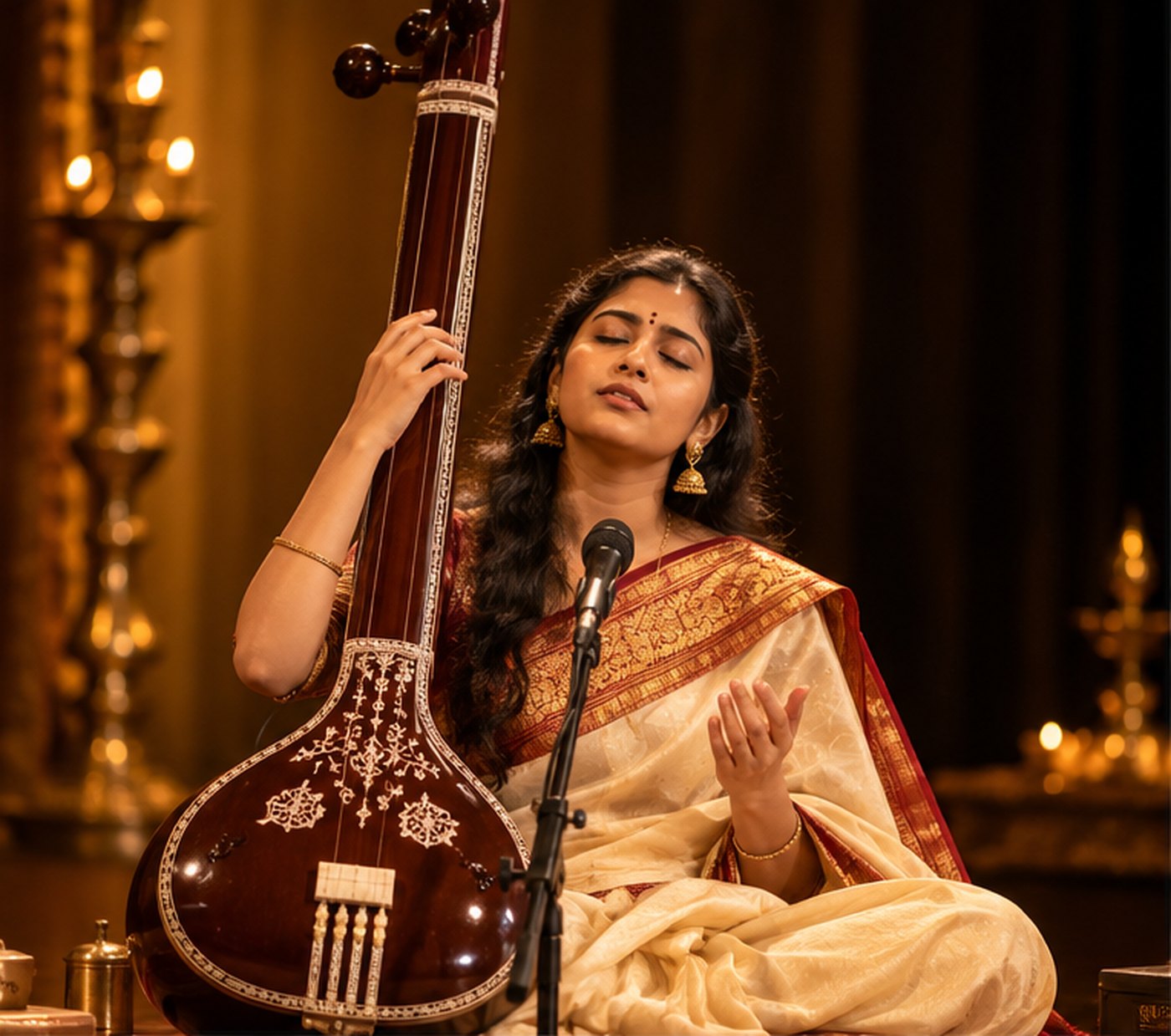
Close your eyes and imagine a cool morning. Birds are waking up, the sky is turning orange, and somewhere a singer begins a slow, soft note. No words yet. Just one note, held so gently that it feels like the day itself is stretching.
That is Hindustani classical music. It is one of the oldest living music traditions in the world, and the best part is this: you do not need to be an expert to feel it. You only need to listen.
Where did it come from?
Indian music traces its roots to the Sama Veda, where hymns were chanted on a few fixed notes thousands of years ago. Over centuries, temple music, folk songs and Persian influences from the royal courts blended together. By around the 13th century, North Indian music had grown into its own style, which we now call Hindustani classical music.
Its cousin in South India is Carnatic music. Both share the same family tree, but they dress differently, like two siblings with their own personalities.
The seven magic notes: Swaras
Western music has Do Re Mi. Indian music has Sa Re Ga Ma Pa Dha Ni, called the sapta swaras (seven notes).
| Indian note | Full name | Fun way to remember it |
|---|---|---|
| Sa | Shadja | Home base, the note everything returns to |
| Re | Rishabh | The first step out of the house |
| Ga | Gandhar | Sweet and bright |
| Ma | Madhyam | The middle of the journey |
| Pa | Pancham | Strong and steady, never changes |
| Dha | Dhaivat | Rising feeling |
| Ni | Nishad | Almost home, pulling back to Sa |
Sa and Pa never change. The other five can become soft (komal) or, in the case of Ma, sharp (teevra). That gives us 12 notes to paint with.
What is a Raga? (The heart of it all)
A raga is not a song. It is more like a recipe for a mood. It tells the musician which notes to use, which to skip, how to climb up (aaroh), how to come down (avroh), and which notes to lean on.
Two singers can sing the same raga for an hour and never sound the same, just like two chefs using the same recipe. That freedom to create on the spot is called improvisation, and it is what makes every concert unique.
Ragas have a clock. This is the part that amazes most people. Tradition links many ragas to a time of day:
- Raga Bhairav: early morning, calm and prayerful
- Raga Bhimpalasi: afternoon, gentle longing
- Raga Yaman: evening, peaceful and romantic, often the first raga students learn
- Raga Darbari Kanada: late night, deep and serious
- Raga Malhar: the monsoon raga, linked to rain in countless legends
The most famous legend says Tansen, the great singer in Emperor Akbar's court, sang Raga Deepak so powerfully that lamps lit up by themselves. Whether you believe it or not, the story shows how strongly Indians have felt the power of a raga.
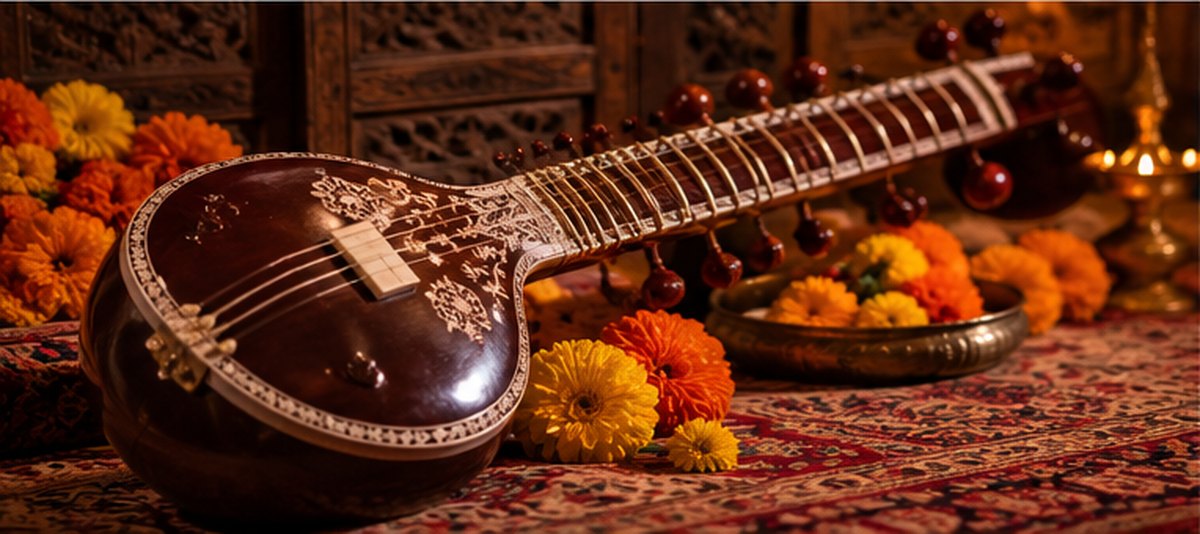
Taal: The heartbeat
If raga is the melody, taal is the rhythm cycle that keeps time. It is played mostly on the tabla.
The most popular taal is Teentaal, with 16 beats split into four groups of four. The first beat is called sam, and it is the most exciting moment in any performance. Watch an audience at a concert: when the singer and tabla player land on sam together, people nod, smile and say "Wah!" It is like scoring a goal together.
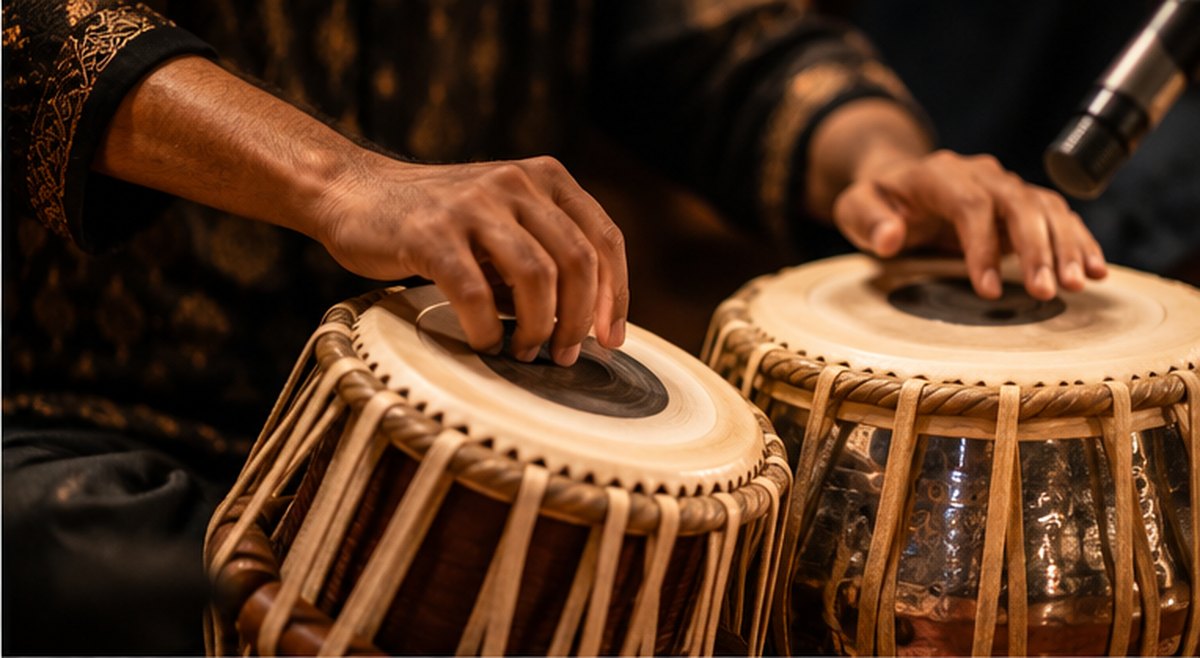
Other common taals include Dadra (6 beats), Keherwa (8 beats) and Jhaptaal (10 beats). Try clapping 1-2-3-4 four times while saying "dha dhin dhin dha". Congratulations, you have just touched Teentaal.
How a performance unfolds
A classical concert grows like a flower opening.
- Alaap: slow, free and without rhythm. The artist introduces the raga note by note, like a host showing you around a new home.
- Bandish: a short fixed composition begins, and the tabla joins in.
- Vilambit to Drut: the speed climbs from slow to fast.
- Taans: lightning-fast note patterns that show skill and excitement. This is the fireworks finale.
Gharanas: Musical families
A gharana is a school of style, passed from guru to student over generations. Think of them as musical families, each with its own signature.
- Gwalior: the oldest, clear and balanced
- Kirana: slow, soulful, focused on each note's beauty
- Jaipur-Atrauli: complex and intricate patterns
- Patiala: bright, playful and fast
- Agra: powerful, with strong rhythm play
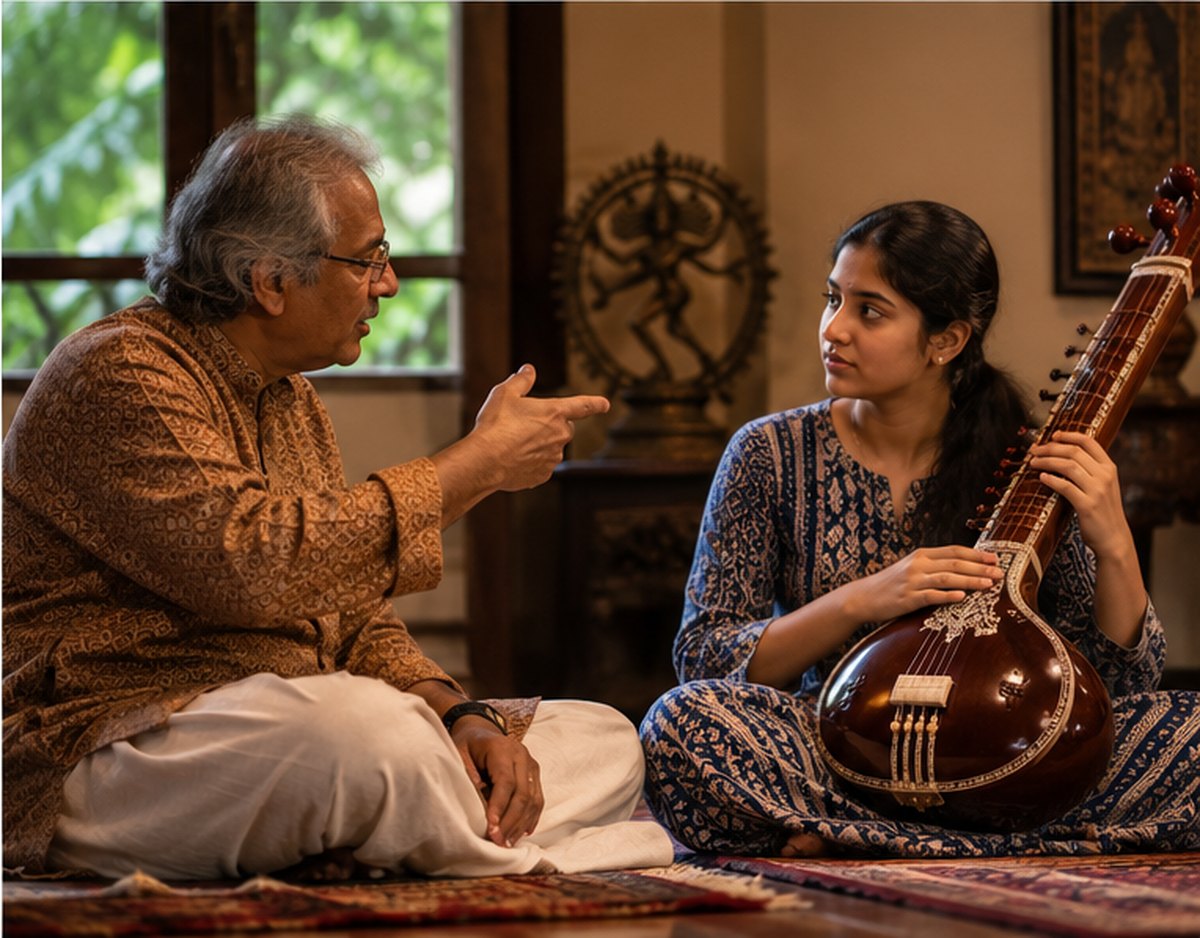
Learning in this tradition follows the guru-shishya parampara, the teacher-student bond. Knowledge is passed by listening, copying and practising, often over many years.
Legends to listen to tonight
- Pandit Bhimsen Joshi (Kirana gharana): start with his Raga Yaman or Malkauns
- Ustad Bade Ghulam Ali Khan (Patiala gharana)
- Kishori Amonkar (Jaipur-Atrauli gharana)
- Pandit Ravi Shankar, sitar: the man who introduced Indian music to the Beatles and the world
- Ustad Bismillah Khan, shehnai, Bharat Ratna awardee
- Ustad Zakir Hussain, tabla: pure joy in rhythm
Why learn it today?
- It builds a strong voice and ear. Many top Bollywood singers trained in classical music first.
- It calms the mind. Long, steady notes slow your breathing, a bit like meditation.
- It trains patience and focus, skills that help children in studies and adults at work.
- It is the foundation for everything else. Once you understand ragas, film songs, ghazals and even fusion music open up in a new way.
Your first step
Tonight, play Raga Yaman for 10 minutes while the sun sets. Do not try to understand it. Just notice how it makes you feel. That feeling is where every musician's journey begins.
Ready to sing your first Sa? Join the Hindustani Classical classes at ISOM and learn the timeless way, from guru to shishya.